
Liquid Filling Machine: Types, Applications & Benefits for Packaging
Introduction
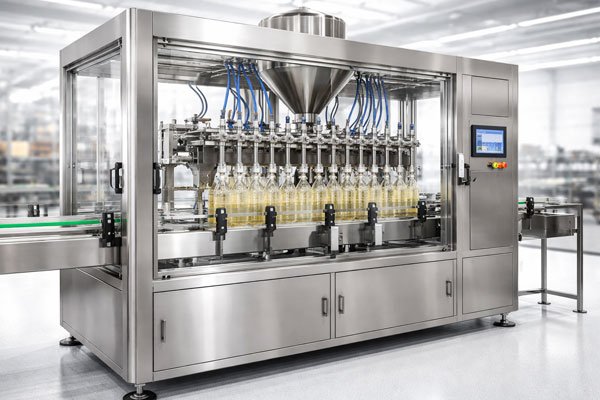
A Liquid Filling Machine is a critical component in modern packaging lines, designed to accurately fill liquids into bottles, containers, or pouches. From water and juices to chemicals and pharmaceuticals, these machines ensure consistent volume, minimal wastage, and high production efficiency.
In today’s competitive manufacturing environment, investing in advanced packaging equipment like a liquid filling machine is essential for maintaining product quality, meeting regulatory standards, and improving operational efficiency. Whether you operate a small-scale unit or a high-speed industrial plant, the right filling system can significantly streamline your production process.
Types of Liquid Filling Machine
Liquid filling machines are available in various configurations depending on production needs, viscosity, and automation level.
Manual Filling Machines
- Ideal for small-scale production
- Low cost and simple operation
- Suitable for startups and pilot batches
Semi-Automatic Filling Machines
- Requires partial operator involvement
- Offers better accuracy than manual systems
- Suitable for medium-scale industries
Automatic Filling Machines
- Fully automated operation
- High-speed production with minimal human intervention
- Commonly used in large manufacturing plants
Inline Filling Machines
- Containers move in a straight line
- Flexible and easy to integrate into existing lines
- Suitable for multiple bottle sizes
Rotary Filling Machines
- Circular design for high-speed filling
- Best for large-scale production
- Ensures continuous operation with high efficiency
Comparison Table
| Type | Speed | Automation Level | Best For |
|---|---|---|---|
| Manual | Low | Low | Small businesses |
| Semi-Automatic | Medium | Medium | Growing industries |
| Automatic | High | High | Mass production |
| Inline | Medium-High | High | Flexible operations |
| Rotary | Very High | Fully Automatic | High-volume production |
Working Principle of Liquid Filling Machine
The working mechanism of a bottle filling machine depends on the type of liquid and machine configuration. However, the basic process includes:
Container Feeding
Bottles are fed via conveyor
Filling Process
Liquid is dispensed using precise filling systems
Volume Control
Controlled using timers, sensors, or piston systems
Discharge
Filled containers move to the next stage
Common Filling Mechanisms
Gravity Filling
Uses natural flow for low-viscosity liquids
Piston Filling
Ideal for thick or viscous liquids
Pump Filling
Suitable for a wide range of liquids
Overflow Filling
Ensures uniform fill levels for transparent bottles
Applications Across Industries
Liquid filling machines are widely used across multiple sectors:
Food & Beverage
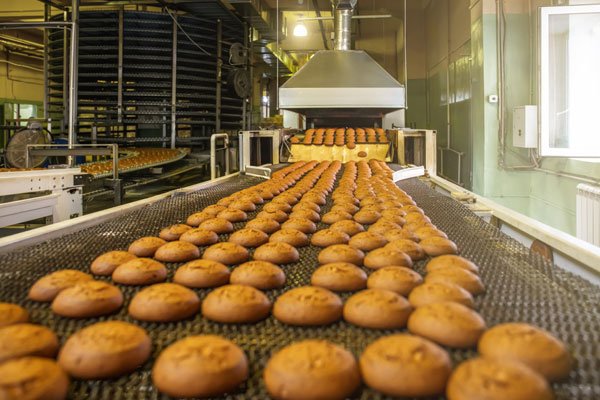
Water, juices, sauces, edible oils
Dairy products like milk and yogurt
Pharmaceutical Industry
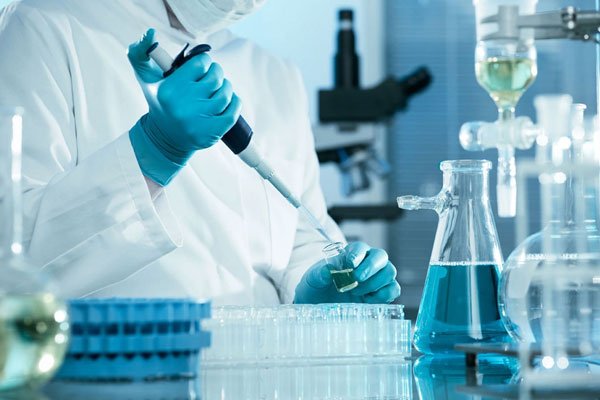
Syrups, tonics, and medicinal liquids
Requires high hygiene and precision

Cosmetics Industry
Lotions, creams, perfumes
Ensures accurate filling of premium products
Chemical Industry
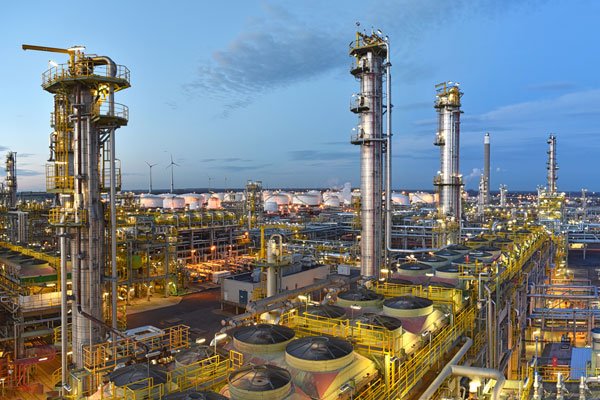
Cleaning agents, lubricants, solvents
Requires corrosion-resistant components
Key Benefits of Using a Liquid Filling Machine
Investing in an automatic liquid filling machine offers several advantages:
High Efficiency
Faster production cycles
Accuracy & Precision
Consistent filling volume
Reduced Wastage
Minimizes product loss
Improved Hygiene
Essential for food & pharma
Labor Cost Reduction
Automation reduces dependency
Scalability
Easy to upgrade for higher production
How to Choose the Right Liquid Filling Machine
Key Factors to Consider
Production Capacity
- Low, medium, or high-speed requirements
Liquid Type
- Free-flowing or viscous
- Corrosive or non-corrosive
Filling Accuracy
- Required precision level
Liquid Type
- Bottles, jars, pouches
- Different shapes and volumes
Budget & ROI
- Initial cost vs long-term savings
Customization Options
- Multi-head filling
- Adjustable speed & volume
Integration with Packaging Lines
A liquid filling machine is typically part of a complete packaging system. It integrates seamlessly with:
Filling Machines
Core operation
Capping Machines
Sealing containers
Labeling Machines
Product branding
Conveyors
Smooth material handling
Maintenance & Troubleshooting Tips
Proper maintenance ensures long machine life and consistent performance.
Routine Maintenance
- Regular cleaning to prevent contamination
- Lubrication of moving parts
- Checking seals and valves
Common Issues & Solutions
| Issue | Cause | Solution |
| Inconsistent fill | Calibration error | Recalibrate machine |
| Leakage | Worn seals | Replace seals |
| Slow operation | Blocked nozzles | Clean nozzles |
Safety Considerations
- Train operators properly
- Install emergency stop systems
- Use protective guards
- Follow ISO and GMP standards
Cost & ROI Analysis
While the initial investment in a liquid filling machine may seem high, the long-term benefits include:
- Increased production output
- Reduced wastage and rejects
- Lower labor costs
- Faster return on investment
Future Trends in Liquid Filling Technology
The packaging industry is rapidly evolving with new technologies:
- IoT-enabled machines for real-time monitoring
- AI-based quality control systems
- Eco-friendly filling solutions
- Energy-efficient automation systems
Customization Options
Modern machines offer flexible customization:
- Adjustable filling volume
- Multi-head configurations
- Integration with automated lines
- Compatibility with various container types
Common Challenges & Solutions
Challenges
- Handling multiple bottle sizes
- Filling viscous liquids
- Maintaining accuracy at high speeds
Solutions
- Use adjustable filling heads
- Choose piston or pump systems
- Implement automation controls
FAQ's of Liquid Filling Machine
Food, pharmaceuticals, cosmetics, and chemical industries widely use them.
Manual machines require human operation, while automatic machines offer high-speed, fully automated performance.
Routine checks should be done daily, with detailed maintenance weekly or monthly.
Yes, with proper adjustments or change parts.
It can range from 30 to 300 bottles per minute depending on the model.
A Liquid Filling Machine is an indispensable asset for any modern packaging operation. It enhances efficiency, ensures accuracy, and supports large-scale production while maintaining product quality and hygiene.
If you’re looking to upgrade your packaging line with reliable and high-performance bottle filling machines, now is the right time to invest in advanced solutions.
👉 Contact us today to explore customized liquid filling machine solutions tailored to your industry needs and boost your production efficiency!
 Users Today : 3
 Users This Month : 69
 Total Users : 994