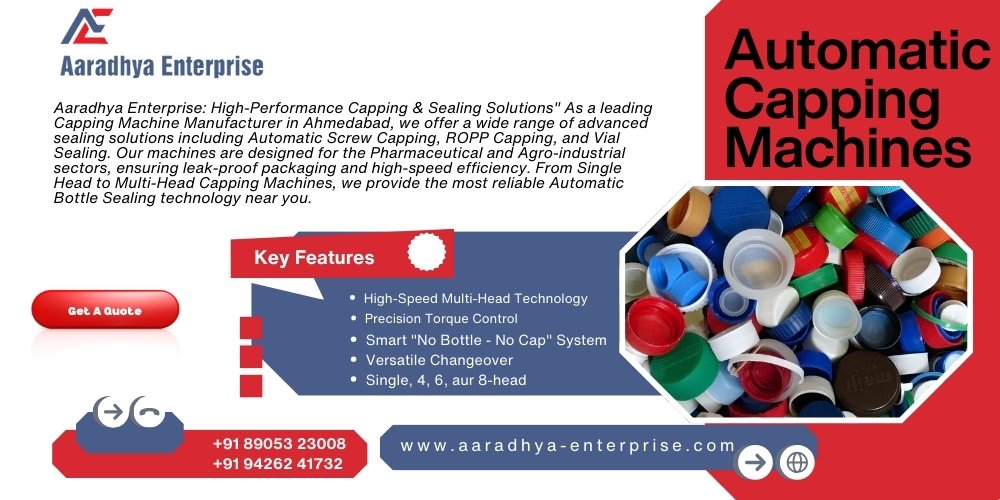
Capping Machine : The Ultimate Guide for Industrial Packaging Introduction A capping machine is an essential piece of equipment in the bottling and packaging industry. Its primary function is to securely seal containers with caps, ensuring product safety, maintaining quality, and increasing operational efficiency. In modern production lines, capping machine are crucial for: Preventing contamination and leakage Maintaining product shelf life Enhancing packaging speed and consistency Reducing manual labor and errors Whether in beverages, pharmaceuticals, cosmetics, or chemicals, investing in a reliable capping machine is critical for any bottling operation. Contat Us Types of Capping Machine Capping machine come in several types to suit different production needs and container designs. Understanding the differences is vital when choosing the right solution: Manual Capping Machine Operated by hand; ideal for small-scale operations Cost-effective but slower and labor-intensive Semi-Automatic Capping Machine Combines manual loading with automated torque application Suitable for medium-volume production lines Automatic Capping Machine Fully automated, high-speed, and integrated with filling lines Best for large-scale operations requiring high consistency Inline & Rotary Capping Machine Inline: Bottles pass one by one along a conveyor Rotary: Bottles rotate in a circular motion; ideal for high-speed lines Cap-Type Variations Screw caps – Most common in beverages and food products Snap caps – Easy-to-use closures for convenience products Crown caps – Common in beers and carbonated beverages Pump caps – Used for cosmetics, lotions, and chemicals Key Features & Benefits Investing in the right capping machine ensures better productivity and long-term savings. Key features include: High-speed and precise torque application Adjustable to handle multiple cap sizes and bottle shapes Energy-efficient and low-maintenance design Integration with automated packaging lines Reduced product wastage and spillage User-friendly operation and quick changeovers Applications Across Industries Capping machine are versatile and serve various sectors: Beverages Water, juice, soft drinks, and alcoholic beverages Pharmaceuticals Syrups, capsules, and liquid medicines Cosmetics Lotions, Shampoos, and Creams Chemicals Detergents, Oils, & Cleaning Agents Food Processing & Nutraceuticals Sauces, Oils, Vitamins, and Supplements Specialty Products Essential Oils, Syrups, and Liquid Extracts Factors to Consider When Choosing a Capping Machine When selecting a machine, keep these factors in mind Production volume Small, medium, or high-speed lines Container type & size Bottles, jars or specialty containers Cap Type Screw, snap, crown, or pump Budget Initial investment vs. ROI Line Integration Compatibility with conveyors, filling, and labeling equipment Scalability Future-proof your production line Integration with Packaging Lines Capping machines work best when integrated with complete packaging lines: Synchronization with filling machines and conveyors Connection with labeling and inspection systems Streamlined workflow reduces bottlenecks and downtime Automation ensures consistent torque and sealing quality Maintenance & Troubleshooting Tips Proper maintenance improves longevity and reduces downtime: Regular cleaning and lubrication of moving parts Calibration of torque settings Replacement of worn-out caps and belts Address common issues like misaligned bottles or jammed caps Safety Considerations Safety is paramount in industrial operations: Provide operator training on emergency stops and machine handling Ensure protective guards and shields are in place Comply with OSHA, CE, and local industrial safety regulations Incorporate safety interlocks and sensors to prevent accidents Cost & ROI Analysis Capping machines are a long-term investment. Key considerations include: Initial investment – Manual vs. automatic machines Productivity gains – Faster line speeds and reduced labor Quality improvements – Fewer leaks and packaging defects Cost savings – Reduced rejects, spillage, and downtime Future Trends in Capping Technology The industry is evolving with advanced technologies: Smart automation Sensors and AI for torque and seal quality IoT-enabled machines Real-time monitoring of production performance Eco-friendly packaging Energy-efficient and recyclable components Data-driven analytics Predictive maintenance and line optimization Case Studies / Success Stories of Capping Machine A beverage company increased line speed by 40% by switching to a rotary automatic capping machine. A pharmaceutical manufacturer reduced spillage and rejects by 25% after integrating an inline capping machine with torque control. Energy Efficiency & Sustainability Modern capping machines contribute to sustainability: Reduced energy consumption per bottle Minimized packaging waste Lower carbon footprint in production lines Customization Options Tailor your machine for maximum flexibility: Adjustable torque and speed settings Multi-cap functionality for different container types Specialized attachments for unique caps or bottles Common Challenges & Solutions Handling different bottle sizes – Use adjustable chucks or guides Sticky or viscous products – Ensure proper cap torque and sealing Misalignment issues – Regular calibration and sensor checks Line stoppages – Preventive maintenance and quick-change parts Regulatory Compliance & Quality Standards Industrial bottling requires strict compliance: FDA-approved materials for food & pharma applications CE and ISO-certified machinery for safety and performance GMP standards to maintain product quality Comparison with Other Packaging Equipment Sealing machines – Focus on airtight sealing; limited to specific containers Corking machines – Used primarily for wine bottles Cap applicators – Part of automated lines, not standalone solutions FAQ’s of Capping Machine How fast can an automatic capping machine operate? Depending on design, speeds range from 30–1000 bottles per minute. Which machine is best for small-scale production? Semi-automatic or manual capping machines are ideal for low-volume operations. How often should machines be maintained? Daily cleaning, weekly inspection, and monthly calibration are recommended. Can one machine handle multiple cap types? Yes, with adjustable torque and interchangeable heads, machines can handle screw, snap, crown, and pump caps. Conclusion Investing in a high-quality capping machine ensures efficiency, consistent quality, and long-term cost savings in your packaging line. Whether upgrading existing equipment or setting up a new bottling facility, the right solution can streamline operations and enhance product safety. Explore our range of industrial capping machines and consult our experts to select the perfect fit for your production line. +91 89053 23008 | +91 94262 41732 aaradhya_enterprise@yahoo.com www.aaradhya-enterprise.com

 Users Today : 3
 Users This Month : 69
 Total Users : 994